
In today’s unpredictable economy, many individuals and families are feeling the pressure of rising costs, market instability, and financial uncertainty. While it’s easy to feel overwhelmed, now more than ever is the time to focus on smart, deliberate decisions that can help you weather the storm and build a more stable financial future. At Black Hills Financial Planning, we believe that with the right strategies and mindset, anyone can take control of their financial well-being—no matter the economic climate.
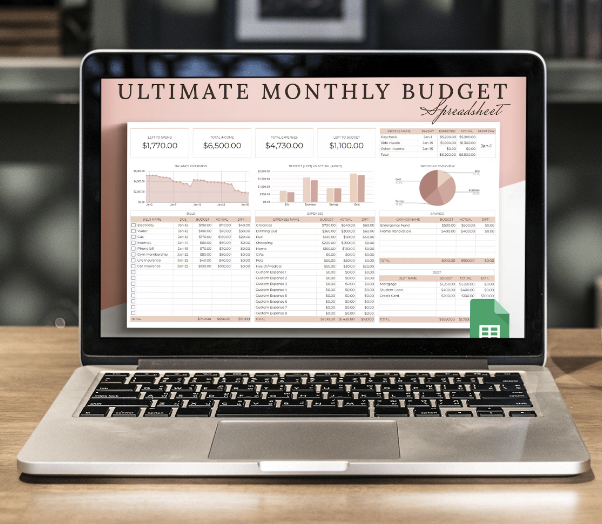
One of the most effective steps you can take right now is to create—and commit to—a realistic, intentional budget. A budget isn’t about restricting your life or eliminating enjoyment; it’s about making your money work for you. It gives you visibility into where your dollars are going and empowers you to prioritize what truly matters. Whether you’re dealing with reduced income, higher living expenses, or both, a strong budget can be the foundation that keeps you on track.
Equally important is embracing the power of long-term gratification. In challenging times, it can be tempting to reach for short-term comforts or quick fixes. But those who stay focused on long-term goals—such as saving for retirement, paying down debt, or building an emergency fund—often find themselves in a far better position when the economy stabilizes. Delayed gratification isn’t always easy, but it’s one of the most valuable financial habits you can build.
To help you stretch your money further during tough economic times, here are ten practical tips:
-
Track every expense – Awareness is key. Knowing exactly where your money goes each month helps you identify areas to cut back.
-
Prioritize needs over wants – Focus your spending on essentials, and consider putting non-essentials on hold for now.
-
Meal plan and cook at home – Eating out adds up quickly. Planning meals can save hundreds per month.
-
Use cash-back and reward programs – Make your purchases work harder for you with reward credit cards or apps that give money back.
-
Negotiate bills and subscriptions – Call service providers to lower rates or cancel services you’re not fully using.
-
Buy quality, not quantity – Spending more upfront on durable goods often saves money in the long run.
-
Embrace secondhand and resale options – Gently used items often offer great value at a fraction of the price.
-
Cut energy usage – Small changes like turning off lights or using energy-efficient appliances can lower utility bills.
-
Delay large purchases – If it’s not urgent, give yourself time to reassess and potentially find better deals.
-
Automate savings – Even a small automatic transfer into savings each month can build momentum and confidence.
As you navigate these economic challenges, remember that you don’t have to do it alone. At Black Hills Financial Planning, based in Rapid City, South Dakota, our team is here to help you create a plan that aligns with your goals, values, and current financial situation. We don’t offer one-size-fits-all solutions—our personalized approach is designed to help you find clarity, control, and confidence in your financial journey.
If you’re ready to take the next step toward financial stability and peace of mind, we invite you to connect with us. Visit www.blackhillsfinancialplanning.com to learn more or book your appointment today. No matter the economy, your financial goals still matter—and we’re here to help you achieve them.
Discover more from Black Hills Financial Planning
Subscribe to get the latest posts sent to your email.